How Much Does Dog Tooth Extraction Cost?

Four Minutes

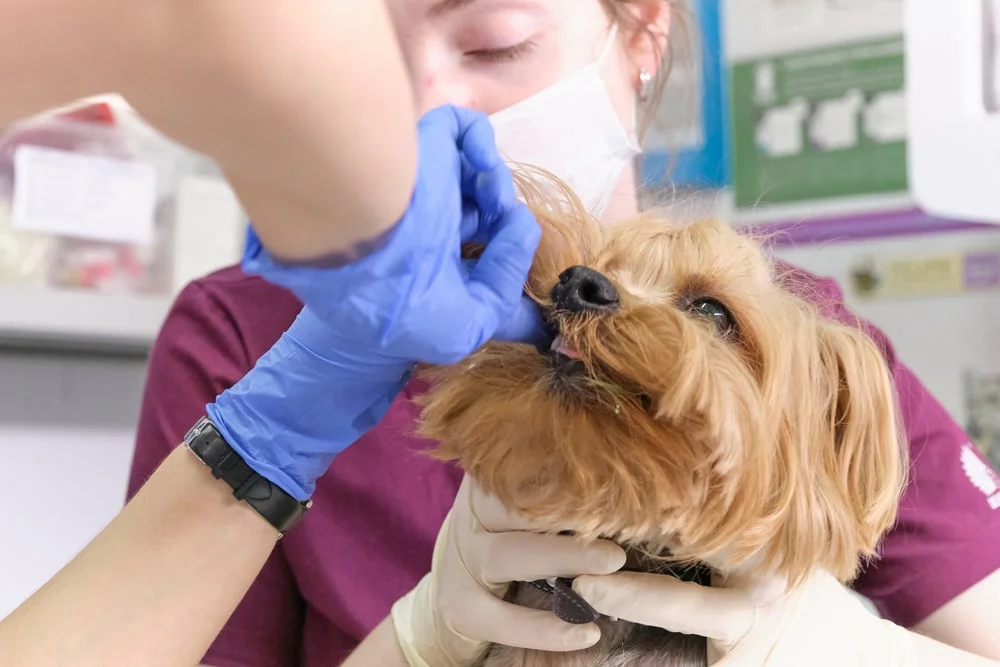
The cost of dog tooth extraction ranges from $500 – $2,500. Tooth extraction is a common surgery in dogs of all ages, meaning your dog may need a tooth — if not several teeth — removed during their lifetime.1

Learn more about dog tooth extraction costs, factors that can affect those costs, and how dog insurance could help you offset the bill. 

MetLife Pet can help you cover your pup’s tooth extraction costs
Owner feeding a treat to a dog

Factors That Affect Dog Tooth Removal Cost

Extraction costs can depend on several different factors:1

  • Complexity of the procedure: Some extractions are quick and simple, while others require more advanced surgical techniques. For example, removal of a loose baby tooth tends to be simpler — and less costly — than removal of a firmly rooted adult tooth. Total tooth extraction cost may also increase if the tooth is impacted, fractured below the gum line, or difficult to reach.1
  • Who does the extraction: A general practice veterinarian will usually charge less than a specialist. However, if your dog requires a more advanced dental procedure, they may need a veterinary dentist, which can increase the overall cost.1
  • Anesthesia and other services: A safe dog tooth extraction requires general anesthesia to keep your pet still and pain-free. The cost of this anesthesia varies based on multiple factors, such as your dog’s size, age, and health status. Some vets may use nerve block agents during the procedure. Pre-surgical bloodwork, dental X-rays, and dental cleaning can also add to the overall expense.1
  • Medications: Many veterinarians prescribe antibiotics after a tooth extraction. Pain medication is another common expense, and the cost can vary widely depending on the amount, dosage, and form. In addition to the required post-op medications, some veterinarians may charge for those used during surgery, such as anti-nausea medication.1
  • Age and other health conditions: Older dogs can be more sensitive to anesthesia, so if alternative sedation methods must be used, the cost will increase. Likewise, if your dog has other health issues, such as a heart murmur or kidney problems, they may need extra monitoring, special fluids, or specific medications during the surgery.1, 2
  • Location: Clinics in large cities or high-cost-of-living locations typically charge more for procedures than animal hospitals in rural areas due to higher overhead and operating costs.1

For the most accurate estimate, talk with your vet.

How Does a Dog Tooth Extraction Work?

Both the American Veterinary Dental College (AVDC) and the American Veterinary Medical Association (AVMA) recommend that all dental procedures be performed under general anesthesia.3,4 This includes tooth removal.

Tooth extractions involve a few steps, and your veterinarian will likely follow a procedure similar to this: 5,6

  1. Clean all teeth and gums.
  2. X-ray the affected areas.
  3. Identify the affected tooth or teeth.
  4. Surgically remove diseased teeth and affected tissue.
  5. Drill the affected tooth or teeth to isolate roots.
  6. Clean out the gum line to remove any remaining debris.
  7. X-ray the area to ensure proper removal.
  8. Stitch the gum line.

If your dog requires more advanced treatment, your vet may refer you to a Board-Certified Veterinary Dentist™.7

If your pooch has many teeth removed, your vet will likely discuss how this can affect their eating and drinking habits. You may be able to get dog teeth implants for your pup. However, there are risks involved, and most dogs can lead normal lives through dietary and routine changes without needing tooth replacement.8

Reasons for Dog Tooth Extractions

There are a few reasons your vet might recommend a tooth extraction. The most common reasons are periodontal disease and endodontic disease, such as injuries, unerupted teeth, and fractures.9

  • Periodontal disease: Periodontal disease is an advanced form of gum disease in which a buildup of bacteria and plaque leads to gum deterioration, bad breath, and tooth decay. Extractions are often necessary for dogs with periodontitis.9
  • Unerupted teeth: Just like humans, dogs have “baby” (deciduous) and “adult” (permanent) teeth. Typically, a dog’s permanent teeth are present by 7 months.10 If deciduous or permanent teeth fail to erupt and lead to problems, they may need to be removed.
  • Abnormal development: If a dog’s jaw or teeth fail to develop properly, the teeth may crowd each other as they grow and cause pain for your pup.9
  • Fractured teeth: Fractured or chipped teeth, or even jaw fractures, are usually caused by external trauma or chewing on hard objects. If a broken tooth can’t be repaired with root canal therapy, your vet may suggest extracting the tooth.1

Signs Your Dog May Need a Tooth Extraction

It’s not always obvious when your dog is experiencing dental problems. Watch for the following signs that may indicate they need a tooth extraction:4

  • Persistent bad breath (often the first sign of periodontal disease or severe tooth decay)
  • Visible damage, such as cracked, broken, or discolored teeth
  • Difficulty chewing or dropping food from the mouth
  • Excessive drooling
  • Swelling around the face or mouth
  • Bleeding gums

If you spot any of these issues during a quick check at home, schedule a vet visit.

How Can You Prevent Removing Your Dog’s Teeth?

The best way to prevent tooth extractions is by practicing good pet dental health at the vet’s office and at home.

Schedule regular vet visits for your dog’s dental checkups and cleanings. The AVMA recommends getting a professional dental cleaning performed under anesthesia around once a year.4

At home, regularly brush your dog’s teeth with a vet-approved toothbrush and toothpaste. Some treats may also help keep your pup’s teeth clean, but they shouldn’t be used as a replacement for brushing your dog’s teeth. The Veterinary Oral Health Council’s list of accepted products is another great resource for vetting pet dental care products.11

Always talk with your vet for their expert guidance and recommendations.

MetLife Pet Could Help You Cover Dog Tooth Extraction Costs

A policy with MetLife Pet Insurance may cover dog tooth extractions resulting from accidental injury or disease, including periodontal disease.

The removal of your dog’s baby teeth may also be covered if it’s medically necessary. Like most pet insurance companies, extractions recommended after your pet’s regular dental exams usually aren’t covered by a standard policy.

MetLife’s optional Preventive Care add-on can reimburse you up to your selected benefit limits for eligible routine dental care, such as:

  • Routine teeth cleaning
  • Routine extractions
  • Deciduous tooth removal

Let’s see how MetLife Pet was able to help Gherkin, a small senior pup from Virginia. Gherkin fractured a tooth after chewing on his bone. It was causing him pain, and an infection was likely to occur. His pet parents took him to the vet, where they removed the fractured tooth. The procedure cost over $1,200, but thanks to their dog insurance policy, Gherkin’s owners were reimbursed around $1,100.12

Get the coverage your pet needs so you can save on vet visit costs. Learn more about our periodontal disease coverage, or fetch a free quote today to see your personalized rates.

Protect your pup and your wallet with MetLife Pet

Woman kissing her dog