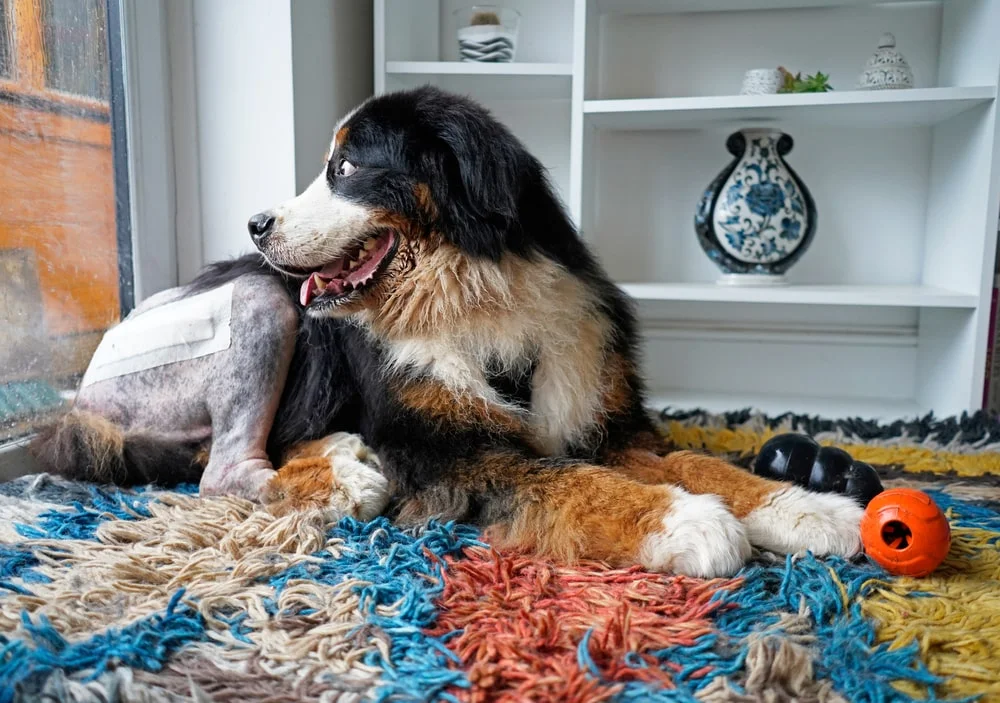
Through our standard accident and illness insurance policy, you could be reimbursed up to 90% of the costs related to hip dysplasia diagnosis and treatment.1 Hip dysplasia is a hereditary condition that mostly affects dogs, but it can also affect cats. A malformation of the hip joint during growth can cause grinding, pain, deterioration, and mobility issues in the affected hip.2,3
Treatment is based on the severity of the condition and could include many different methods, such as:2,3
- Surgery
- Medications
- Diet and lifestyle changes
- Physical therapy
Pets with mild cases may start treatment that’s focused on managing the condition and could need surgery later on. Pets with severe cases may need surgical treatment right from the start.2,3
The total cost of treating hip dysplasia — including diagnostics, surgery, and recovery — could reach $4,000 – $14,500 or more.4 While medications and lifestyle changes can help manage hip dysplasia, they may not resolve the condition without the assistance of surgery.2,3
Costs can vary depending on where you live, your pet’s size, the kind of vet you see, and the treatment required to get your pet feeling better.4
Based on how severe the hip dysplasia is, your pet might need special care that falls outside of your regular vet’s expertise. Surgeries, like double or triple pelvic osteotomy (DPO/TPO), femoral head osteotomy (FHO), or a total hip replacement (THR), may need to be performed by an orthopedic surgeon. MetLife Pet can typically provide coverage for specialist vet care if you see a licensed vet.
Pet insurance hip dysplasia coverage can vary by provider and plan. Some of the hip dysplasia expenses you could be reimbursed1 for with a MetLife Pet policy include:
- Diagnostics (like X-rays)
- Exam fees
- Prescribed medications, supplements, and food
- Hospitalization
- Surgeries and their related costs (like anesthesia and IV fluids)
- Physical therapy
- Prescribed alternative therapies (like acupuncture or hydrotherapy)
Curious about other conditions or expenses you could be reimbursed for?1 Learn more about what our pet insurance covers.
Having pet insurance that covers hip dysplasia, like MetLife Pet’s, can be a huge help in making costly vet bills more financially accessible.
Here’s a look at some MetLife Pet policyholders who got money back:5
- Liza, the dog, was diagnosed with hip dysplasia and needed surgery to fix it. The cost of the surgery was around $3,450, and her owners received over $3,100 back.
- A puppy, Niko, was examined and had X-rays taken to help diagnose him with hip dysplasia. The vet bill cost nearly $850, and his family was reimbursed over $750.
- A senior cat named Russel had a vet exam to help diagnose him with hip dysplasia. His owners were reimbursed nearly $175 for the $190 exam.
Being able to say yes to necessary hip dysplasia care costs could make a pet insurance policy worth it.
MetLife Pet typically won’t cover pre-existing hip dysplasia or hip dysplasia that was diagnosed during your waiting period. But there may be different or additional exclusions depending on your specific provider and plan. Let’s go over some of the exclusions to pet insurance hip dysplasia coverage you might see across the market.
A pet’s hip dysplasia is typically excluded from coverage when it’s considered a pre-existing condition — i.e., it began or was diagnosed prior to enrolling them in a pet insurance policy. However, if your pet’s hip dysplasia is already covered by another provider and you switch to MetLife Pet through your employer, you could still have coverage for those hip dysplasia costs through the new MetLife Pet plan.6
Some providers may automatically exclude certain bilateral conditions, like hip dysplasia, from coverage. MetLife Pet doesn’t do this. Provided your pet’s other hip wasn't previously diagnosed with or treated for hip dysplasia before your coverage began — making it a pre-existing condition — you can still be eligible for reimbursement.1
MetLife Pet offers a 0-day waiting period on accidents and a 14-day waiting period on illnesses. As long as your pet’s hip dysplasia isn’t considered a pre-existing condition and you’re past the applicable waiting period, you could receive reimbursements for related costs.1
Certain providers may have an extended waiting period for specific orthopedic conditions — like hip dysplasia — but MetLife Pet doesn’t.
Some pet insurance policies may exclude certain breeds from hip dysplasia coverage because they’re genetically predisposed to developing it. Fortunately, MetLife Pet can provide coverage for all breeds — even those genetically predisposed to hip dysplasia. Still, it can be good to know the breeds that may be more likely to be affected by the condition to ensure you get the right policy for them.
Medium- and large-sized dogs breeds, as well as those who are obese or grew too fast as puppies, may be more prone to developing hip dysplasia. Some dog breeds that are genetically predisposed include German shepherds, Labradors, Rottweilers, and bulldogs.2
Larger-sized cat breeds, like the Maine coon and Himalayan, as well as obese cats, might be more at risk for developing hip dysplasia.3
Some providers may also exclude coverage for hip dysplasia in pets over a certain age. With MetLife Pet, there’s no age restriction for hip dysplasia coverage eligibility.
Hip dysplasia is hereditary, so it’s not something you can necessarily prevent. However, enrolling your pet in an insurance policy early on can mean you’re more likely to get some of the costs covered if it develops later.
Plus, getting your pet’s DNA tested to see their potential risk for it could be helpful in preparing for or managing the condition. Depending on the plan you choose, you may be able to get coverage for DNA testing with an optional Preventive Care add-on.8
Enroll your furry family members in a MetLife Pet Insurance policy today, starting with a free quote.