Skin allergies, often in the form of atopic dermatitis (AD), are a common skin condition in dogs. Environmental factors, like pollen or other plant particles, can cause allergies in dogs. Although less common, food allergies can affect dogs as well.1
Itchiness is the most common symptom of allergies in dogs. Scratching leads to other signs, such as wounds, scabbing, hair loss, scaling, and ear inflammation. Since many of these symptoms align with other diseases, diagnosing AD requires allergen testing to help identify an allergen.1
Once the allergen irritating your dog is identified, your vet will work with you to set a course of treatment. They may recommend allergen-specific immunotherapy and anti-itch medications. They may also encourage you to bathe your dog with medicated shampoos or recommend other home remedies for itchy skin.1
Yeasts are natural, fungal organisms that grow on your dog’s skin. A yeast infection occurs when there’s an overabundance of fungi on your dog’s skin. The condition is characterized by a musty odor, itchy skin, itchy ears, and otherwise irritated skin. Dogs may get yeast infections from yeast dermatitis, skin parasites, allergies, or a weak immune system.2
You can treat yeast infections with topical antifungal creams, medicated shampoos, ear drops, or ear cleaners. In particularly bad cases, your vet may prescribe oral antifungal medications. Keeping up to date with your pup’s vaccinations and regular vet visits can help keep them healthy and less likely to develop yeast infections.2
Ringworm is a fungal infection characterized by bald, scaly patches and acne-like bumps on your dog’s skin — most commonly on their tail, feet, face, and tips of their ears. Ringworm is typically spread from contact with either infected animals or contaminated objects.3
While some ringworm infections can resolve themselves, treatment could help the infection clear quicker and decrease the spread of the fungus. To treat ringworm, your vet may put your dog on a medicated shampoo or oral antifungal medication. You’ll also need to disinfect all areas of your home that your infected dog may have touched with diluted bleach.3
Pyoderma is a common bacterial infection that causes itchy skin. It may also be a secondary complication of allergies and immune disorders. It’s often characterized by redness, bumps, crusting, and hair loss.4
Puppy pyoderma — also known as impetigo — is another form of pyoderma that specifically impacts puppies. They typically experience pyoderma in areas of the body that have little to no hair, like the underarms, belly, or groin.4
Depending on the cause of the condition, your vet may recommend oral or topical antibiotics, or they may prescribe medicated shampoo. Antibiotic treatment typically lasts a week or two, but recurrent or severe pyoderma may require a longer course.4
Seborrhea is a condition where the outer layer of skin isn’t renewing properly. This leads to scaliness and can also cause greasy skin and hair. Often, secondary infection or inflammation can stem from seborrhea, or seborrhea can be a sign of a secondary, underlying disease.5
Since seborrhea is often a chronic condition, you’ll need to create a long-term treatment regimen to help manage seborrhea symptoms throughout your dog's life. Treating the condition includes giving your dog frequent baths and using a medicated cleanser. Your vet may also prescribe antibiotics to treat any secondary diseases or infections.5
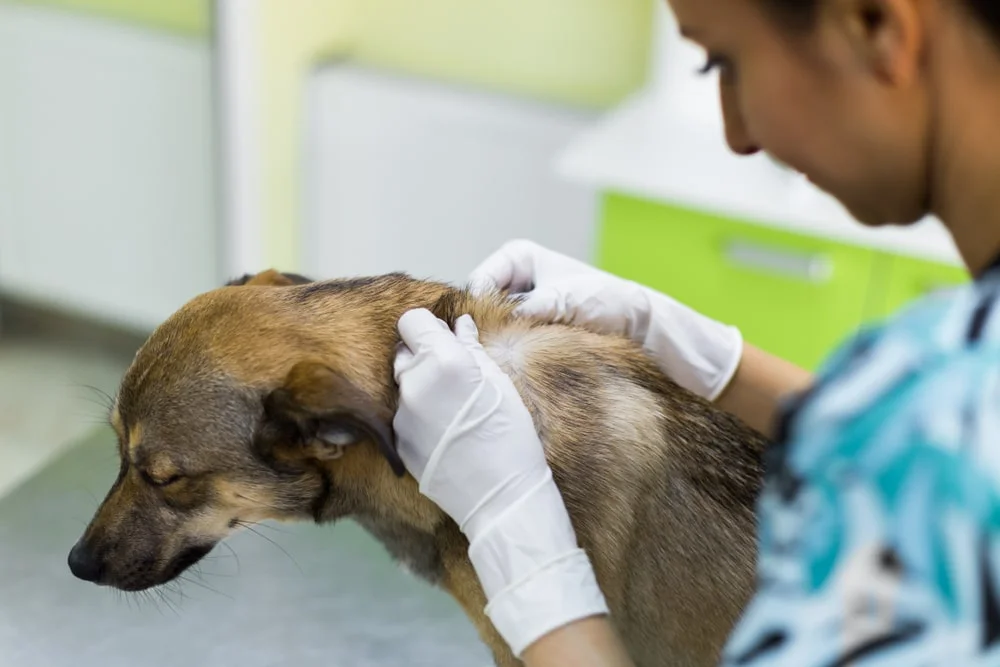
Alopecia is a condition that causes chronic fur loss and the inability to regrow fur properly. It can be congenital or acquired. Conditions that lead to alopecia include parasitic infections, other types of infections, inflammatory skin diseases, or skin trauma, such as from burns or friction from a tight collar.6
Treatment depends almost entirely on the specific underlying cause of the alopecia. If your pup is experiencing itching or discomfort as a result of the hair loss, your vet may prescribe medication for relief.6
Mite infestations on a dog's skin cause mange. This skin disease is characterized by crusty skin, sores, hair loss, and sudden, intense itchiness. Several types of mange can affect dogs, including:7
- Sarcoptic mange: This type of mange is caused by a highly contagious parasite and can also affect humans and other animals.
- Demodectic mange: The mites that cause this type of mange occur naturally on all dogs’ skin. However, when a dog has too many of these mites or a weakened immune system, the mites may cause mange.
- Otodectic mange: This type of mange is often found in a dog’s ear, causing inflammation in the ear canal.
- Cheyletiellosis: This type of mange causes “walking” dandruff in dogs, as the mites have the appearance of dandruff crawling on the dog’s skin.
Mange is contagious and can affect other animals or even humans. If your dog is diagnosed with mange, be sure to ask your vet about other animals in the home. You may also check with a physician to discuss possible medications for you and any others living in your home. Mites can live without a host for several days, so thoroughly cleaning the home and your pet’s environment is crucial.7
Mange treatment includes medicated shampoo baths, topical creams, anti-mite dips, and oral medicine.7
Cancer in dogs can be the result of genetic predispositions, environmental factors, or old age. It shows up in various ways for different breeds, including tumors and even allergic reactions for some dogs. Other dogs may have no visible symptoms. There are several kinds of skin cancer dogs can get, including:8
- Malignant melanoma: Presents as raised lumps that are found on a dog’s lips, in the mouth, or around their nail beds and toes
- Mast cell tumor: Involved in allergic reactions with irritation and itching that can occur anywhere on a dog’s skin, but it’s most common on the limbs, chest, and lower abdomen
- Squamous cell carcinoma: Cancer that consists of tumors that are firm lumps on the head, legs, or abdomen and are typically found in senior dogs
- Histiocytic cell tumor: Solitary, freely movable lumps on the skin typically impact breeds like Bernese mountain dogs, boxers, Boston terriers, greyhounds, and bulldogs
- Fibrosarcoma: Varying greatly in size and appearance, these lumps may be felt on or under the skin and are typically found on the legs and trunk of dogs
While not all skin abnormalities are cancer, it’s best to get them checked by a veterinarian. Skin cancer may be characterized by lumps or bumps, discoloration, or changes in existing skin tags.
A cancer diagnosis may be scary, but there are treatment options. Available treatments will vary depending on your dog’s diagnosis, but the most common options are surgery, chemotherapy, radiation, and medication.8 If your dog has been diagnosed with skin cancer, your vet will inform you of the best option for your dog’s specific case.
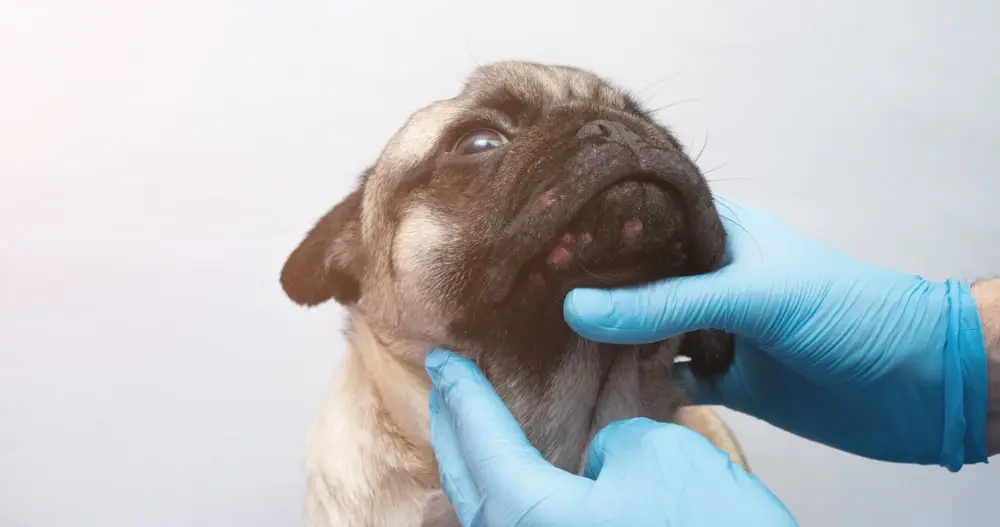
Like humans, dogs can get acne around their chin and muzzle. The acne can be secondary to another skin condition or result from trauma to your dog’s skin around their muzzle which could cause hair follicles to rupture, leading to acne. Canine acne can cause inflammation and swelling on your dog’s face. If not controlled, canine acne can also cause bleeding wounds and result in permanent scarring.9
Topical benzoyl peroxide is a common treatment for canine acne. Your vet may also prescribe topical or oral antibiotics. If your dog’s acne is causing severe inflammation, a topical steroid can help.9