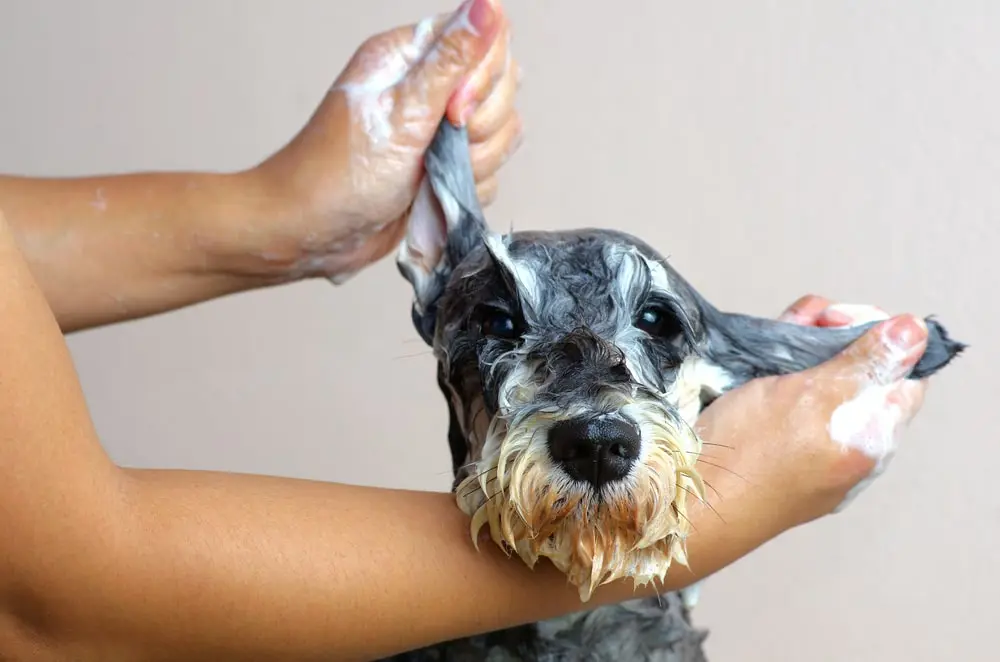
Chamomile and green tea contain natural anti-inflammatory properties. Either tea can be used to help relieve your dog’s skin irritation. Here’s how to do a tea rinse:3
- Steep either chamomile or green tea bags.
- Let the liquid cool completely.
- Apply to the affected area with a soft cloth.
This method may also be effective for red paws, rashes, or hot spots.
Natural aloe vera feels good on a sunburn, but it can also relieve itchy skin on your dog. Simply apply the gel directly to the affected area. When choosing an aloe vera gel for your dog, make sure it doesn’t contain alcohol; otherwise, you could make your dog’s symptoms worse.4
In addition to topical treatments, other home options are available that may help your dog. While talking to your vet should be your first step, these natural remedies could help make your dog more comfortable.
For dogs, many yeast infections start on the inside and spread to the outside. One way to help reduce the presence of yeast is with the good bacteria found in yogurt cultures. This can improve gut health, support the immune system and reduce inflammation.5
You can give it to them directly, or mixed with their food. Usually, one teaspoon works for smaller dogs, while larger dogs may need 2 or 3 tablespoons.5 Before feeding yogurt to your dog, you may want to talk to your vet about potential risks, especially if your dog has shown signs of allergic reactions to dairy products.
Fish oil supplements contain omega-3 fatty acids, which dogs can’t produce on their own. Incorporating omega-3 fatty acids into your dog’s diet can improve their coat and skin health. It also contains an anti-inflammatory compound that can support immune health and overall well-being.6 It’s recommended that you speak with your veterinarian before starting any supplement for your dog.
No, you shouldn’t. Human skin has a natural pH balance of 5.5 – 5.6. This is more acidic than a dog’s pH balance, which is closer to the neutral level of 7. Using a human shampoo on your dog would disrupt the natural acidity of their skin, leaving them more vulnerable to infection and parasites.7
Not all essential oils are safe for dogs. Never use them without consulting your veterinarian first. Some that dogs may tolerate include:8
- Chamomile
- Lavender
- Myrrh
- Ginger
- Rosemary
You shouldn’t give your dog human medicine without consulting with your veterinarian first. For itchy skin, antihistamines could potentially be a safe option, but they may make some dogs drowsy and others hyperactive. Be sure to ask your veterinarian about the appropriate dose.9
If you notice hair loss, open wounds, or extremely red or irritated skin, contact your vet immediately.1
Home remedies can help relieve your dog’s itch in the short term, but you should always make sure that you consult your vet. Otherwise, a minor itch can quickly become an expensive irritation.
That’s where a dog insurance policy with MetLife Pet Insurance could help. Our dog insurance policies can help you provide the coverage and care your furry family members deserve, even when they've got an itch that simply won’t go away. Get your free quote today.