Dryer sheets, otherwise known as fabric softener sheets, are placed in the dryer to eliminate static cling and minimize wrinkles in clothing. They do this by depositing chemicals onto our clothing.
These chemicals could be toxic if a pet were to chew on or eat a dryer sheet. Even a used dryer sheet contains enough chemicals to be harmful if your pet swallows it.1
Xylitol is a naturally occurring sugar substitute used in a wide variety of products. It isn’t dangerous to humans because it doesn’t stimulate the pancreas to release insulin. In animals, this release of insulin leads to a rapid drop in blood sugar levels, otherwise known as hypoglycemia. If untreated, hypoglycemia can lead to death.2
Pet owners should read labels carefully since numerous products now contain xylitol. Some of these products are:2
- Sugar-free gum, breath mints, and candy
- Toothpaste
- Mouthwash
- Vitamins
- Cough syrups
- Barbecue sauce
- Laxatives
- Prescription medications
- Deodorant
- Shampoo
- Sleep aids (disintegrating tablets)
The amount of xylitol in each of these products varies. Sugar-free gum is the most common source of xylitol poisoning in dogs, and one piece can be fatal to a 10-pound dog.2
Curious pets tend to chew on whatever they can find. Unfortunately, if this curiosity leads to the remote control or a child’s toy, your furry friend may end up chewing on or puncturing a battery.
Once punctured, the compounds from the battery can cause severe injuries to your pet’s mouth, internal tissues, and digestive tract.3
Antifreeze has a sweet smell and taste that can be alluring to pets. They can often find it near cars and in garages when the weather turns cold. However, antifreeze is toxic to pets. If they lap up even small amounts it can lead to kidney failure and death after just a few hours, if left untreated.4
Many common household cleaners are toxic to pets when ingested, such as all-purpose cleaners, disinfectant wipes, and laundry detergents.5 They can also irritate your pet’s skin and eyes.6
Certain poisons you may store in your garage, such as herbicides, insecticides, and rodenticides, are also toxic to pets.4
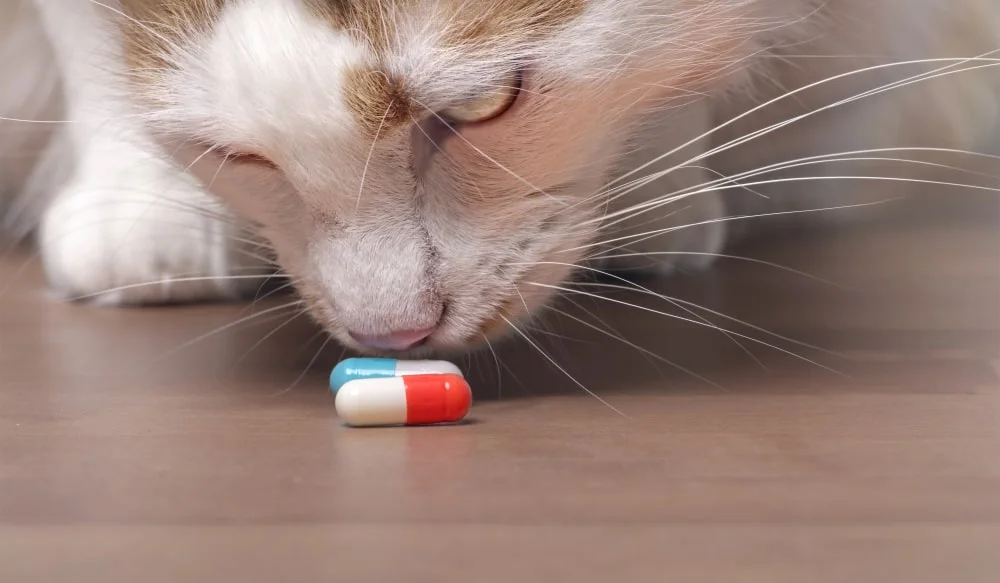
Prescription and over-the-counter medications have been the two most common causes of pet poisoning cases. Some of the most common medications pets ingest are:6
- Antidepressants
- ADHD (attention-deficit/hyperactivity disorder) medications
- Heart medications
Some common over-the-counter medications that are toxic to pets include:7
- Acetaminophen (Tylenol)
- Ibuprofen (Advil)
- Naproxen (Aleve)
Many other medications not listed here can be toxic for pets. Just remember, it’s important to keep all human medicines away from your pets.
Many flowers and plants are harmful to pets, such as azaleas, oleander, mushrooms, and marijuana.2,6 Lilies can cause kidney failure in cats.6
Several of the foods that people often eat are harmful to pets, so always be careful if you share some of your food with your furry friend.
While apple slices are a healthy snack for dogs, make sure to remove the core and all apple seeds. Apple seeds contain trace amounts of cyanide which, over time, can build up in a dog’s system and become toxic.2
Even a small number of grapes or raisins can cause kidney failure in dogs.2
While onions and onion powder add a dash of flavor to many human recipes, make sure none of these table scraps end up in your pet’s dish. Onions lead to a breakdown in red blood cells, ultimately causing anemia.2
Chocolate toxicity is common in pets. The darker the chocolate, the worse it can be for your cat or dog.6
Tea and coffee, like chocolate, are toxic to pets because they contain caffeine.2
Signs of poisoning differ depending on the toxin and the amount ingested.
Some common symptoms include:8
- Vomiting
- Diarrhea
- Bloody stool or urine
- Seizures
- Loss of appetite
- Lethargy
- Increased thirst
- Increased urination
- Pale or yellow-colored gums
If you think your pet may have ingested something poisonous, contact the ASPCA Animal Poison Control Center at (888) 426-4435.
With many household items being toxic to your pets, it’s a good idea to make sure they aren’t accessible. Keep all food in the pantry or cabinets, ideally on high shelves that your pet can’t reach. Store all medications on high shelves and in sealed containers. Consider child-proof locks on your cabinets if you have nosy pets.8
For cleaning products, opt for non-toxic options when possible. When you’re using cleaners, keep your animals out of the room until everything is dry. Store all cleaners where your pets can’t access them. This rule also applies to insecticides and other poisons you may store in your garage.8
When you move into a new home, visit an outdoor space, or bring your pet to someone else’s house, make sure to remove toxic plants that your furry friend could get into. Research pet-friendly flowers and other plants for your garden.8
In spite of efforts by diligent, well-informed owners, pets can get into poisonous or toxic substances. Thankfully, a pet can recover from ingesting something bad if you take them to the vet as soon as possible. However, an emergency vet visit can be costly. Emergency treatment for poisoning can cost between $250 – $5,000 or more.9 Fortunately, pet insurance could help you cover the costs of such emergency situations.
For example, Champion, a young dog from Arizona, ingested his owner’s ADHD medication. Champion’s owner rushed the dog to the vet where he was hospitalized and treated. The total bill was around $2,700, but MetLife Pet covered over $2,250.10
A pet insurance policy from MetLife Pet can help you pay for both planned and unplanned vet bills. Get a quote today to get started.