Signs of antifreeze poisoning dogs and cats can appear in three stages, based on how long it’s been since they’ve ingested the liquid:1,2
- Stage One: The first stage can occur within 30 minutes. Your pet may appear dazed or experience vomiting, seizures, lack of coordination, or excessive thirst and urination.
- Stage Two: In stage two, which can occur within 12 hours, pets can become dehydrated, more lethargic, and may develop increased heart and breathing rates. Dogs might seem to be recovering around the 12-hour mark, but often they aren’t.
- Stage Three: For cats, stage three can happen around 12 – 24 hours after ingestion. For dogs, it’s around 36 – 72 hours following ingestion. Both cats and dogs may start to experience severe kidney failure at this stage. Signs can include lethargy, coma, vomiting, drooling, diarrhea, lack of appetite, and seizures.
The timeline to irreversible organ damage or even death is short, so it’s important to seek treatment immediately following ingestion.
Small amounts of antifreeze can be deadly for pets. A fatal dosage of antifreeze for dogs could be around 3 – 4 teaspoons, and for cats it could be around 1 – 2 teaspoons. This means milder poisoning symptoms — like stomach upset — could be produced by an even smaller amount of the liquid.1
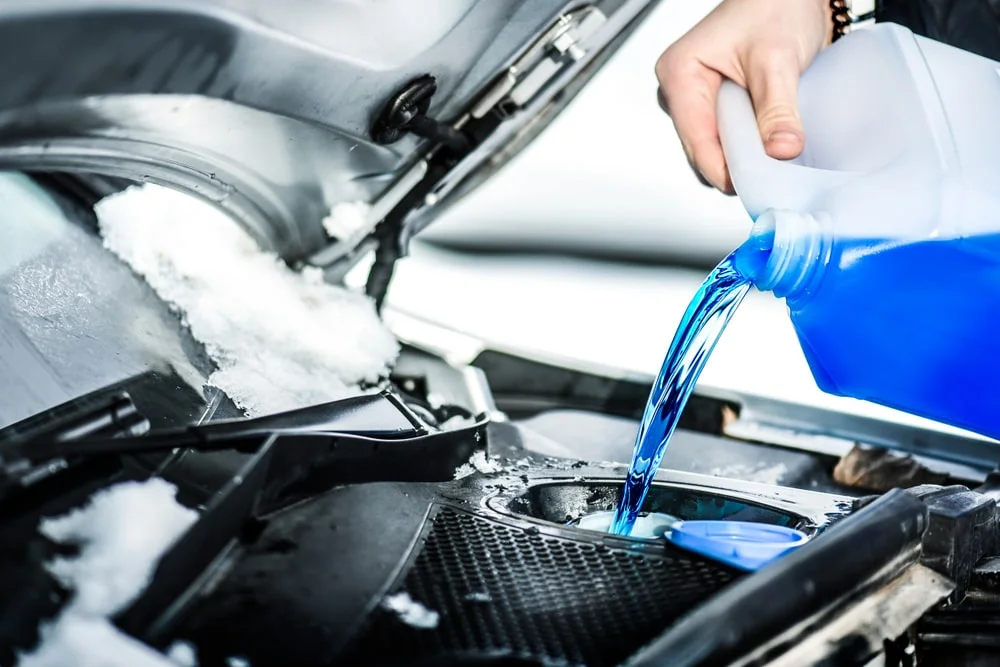
While antifreeze is the highest-concentrated source of ethylene glycol, this toxin can also be found in products like heat-exchange, brake, and transmission fluids, as well as windshield de-icing solutions, paints, wood stains, and inks.1,2 Preventive measures are important to help ensure your pet doesn’t come into contact with ethylene glycol from any source.
If you suspect your pet may have ingested antifreeze, consult with your veterinarian immediately, as antifreeze poisoning is typically considered an emergency situation. If your regular vet can’t be reached, you can:
- Contact your local emergency veterinary clinic.
- Call the Pet Poison Helpline at (855) 764-7661 or the ASPCA Animal Poison Control Center hotline at (888) 426-4435 for assistance if your emergency vet is unavailable.
Some of the initial symptoms can look like alcohol poisoning, or signs of other health conditions like diabetes, kidney disease, or gastroenteritis. But your pet’s likelihood of recovery after ethylene glycol ingestion gets worse the longer you wait to seek treatment.1 Even if you’re unsure they came into contact with antifreeze, it’s advised to take them to the vet ASAP.
If you know your pet ingested antifreeze, treatment at the vet can begin right away. If you’re unsure, vets may run blood work to confirm an antifreeze poisoning diagnosis.1,2
Vomiting may be induced to reduce the likelihood of more antifreeze being absorbed into your pet’s system. This is best done as early on after ingestion as possible, typically within 1 – 2 hours. If it’s been longer than a couple of hours, it’s likely antifreeze absorption has occurred, and fluids are given to your pet to help flush their system by increasing urination.1
There’s an antidote available for dogs, but it must be given to them within the first 12 hours or so, before kidney failure begins. There’s currently no antidote for cats, but giving them ethanol intravenously has shown to be helpful.1,2
Once kidney failure becomes severe, recovering from antifreeze poisoning is less likely.1
The good news is, you can take proactive measures to help keep your pet from coming into contact with antifreeze. To help prevent accidental poisoning, it’s a good idea to:1
- Promptly clean up spilled antifreeze, and cover the area with sawdust or cat litter to absorb excess liquid.
- Dispose of empty antifreeze containers immediately.
- Don’t allow your dog or cat in any area, unsupervised, where antifreeze may be accessible.
- Store antifreeze and all products that can contain ethylene glycol in a secure place.
Part of the allure for pets is that antifreeze tastes sweet. Another preventive measure you can take is replacing your antifreeze with a version that contains propylene glycol instead of ethylene glycol. This alternative doesn’t taste sweet — so it may be less tempting to try — and is less toxic. If your pet ingests propylene glycol antifreeze, it may be easier to recover from poisoning symptoms.1
Emergencies, like accidental poisoning, can be scary. At MetLife Pet, we want to help you reduce the worry around vet bills during those times, so you can focus on saying yes to the crucial vet care your pet needs.
With reimbursements on poisoning diagnosis and treatment costs up to 90%, you can minimize the impact to your finances.3 Just like Wanda’s family was able to do when she was hospitalized for antifreeze poisoning. This New Hampshire pup’s vet bill totaled over $1,550, but her family was reimbursed nearly $1,200 through her MetLife Pet Insurance policy.4
Take a proactive financial approach to pet accidents and emergencies by having a pet insurance policy in place for the unexpected. Get a free, personalized quote today.