Once you get a diagnosis from your vet, there will be several treatment options presented to you. Bring your questions with you and be sure to discuss your dog’s activity level, their age, diet, and other contributing factors. A good vet will take all of this into consideration before offering surgical options such as:2,3
- Extracapsular Suture Stabilization: The surgical team will use a nylon suture to stabilize the ligaments, which will allow scar tissue to heal on its own. This option tends to work best on inactive, smaller, or older dogs.
- Tibial Plateau Leveling Osteotomy (TPLO): TPLO offers superior stabilization for larger breeds. Your dog’s bones will be structured at a 90-degree angle and then secured with a plate and screws. It can be invasive and expensive, but worth the investment if your dog is active, large, or in generally good health.
- Tibial Tuberosity Advancement (TTA): Similar to TPLO, TTA positions the shin bone at a 90-degree angle. The key difference is where the screws and sutures are placed. Your surgical team will create a plan for your pet based on their physiology to ensure a smooth recovery.
The cost of treating an ACL depends on several factors, like where you live and the practice you use. You may find yourself being referred to a veterinary surgeon, so be sure to get an itemized list of fees from both offices to assess the cost. You and your care team should discuss your budget and payment options. Some of the items you may be charged for include:4
- Diagnostic X-rays
- Epidurals
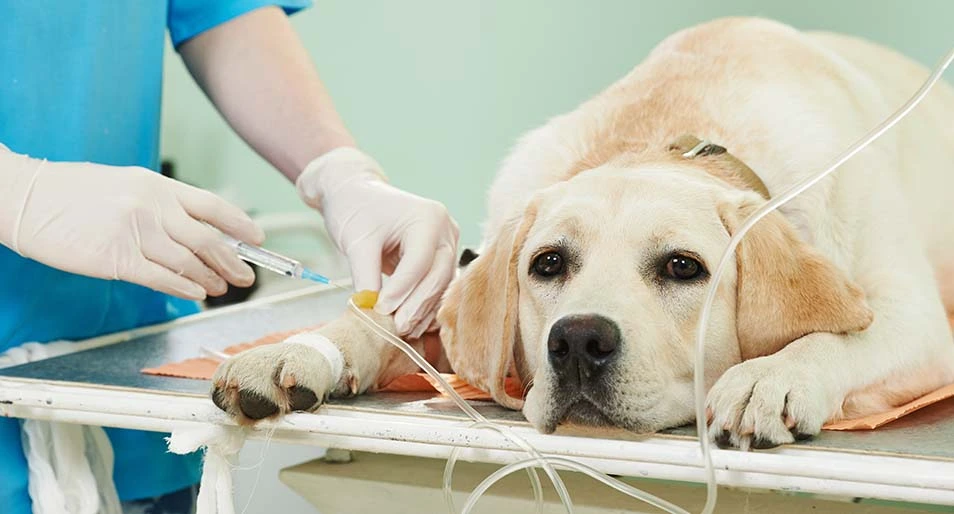
- IV fluids, including pain medications
- Surgery
- Plates and screws
- Sutures and surgical supplies
- Antibiotics and pain medications to take home
- Cone(s)
- Overnight hospitalization and care
- Incision checks at 2 weeks post-surgery
- X-rays at 8 weeks post-surgery
This isn’t an exhaustive list, and your dog may need additional support during their recovery. Consider your dog’s personality and your lifestyle. Will they be comfortable sleeping in the bed they have? Are you able to carry your dog up and down the stairs, or will you need to make arrangements? Discuss all these things with your care team as you prepare for treatment and recovery. You may also want to consider exploring MetLife Pet Insurance, which can reimburse you for up to 90% of out-of-pocket surgical costs.2,5
Stella, a Bernese mountain dog, tore her ACL while exploring the great outdoors of Colorado. Thanks to their dog insurance from MetLife Pet, Stella’s parents got reimbursed nearly $1,800 on their more than $1,900 vet bill.6
ACL surgery may not be necessary based on the severity of the tear and your dog’s size. If your dog weighs 33 lbs (15 kg) or less, it’s possible for them to heal on their own. They’ll just need to be monitored and kept under strict crate rest for a period of 6 weeks.2
This route will take some effort on your part to help them avoid further injury. Physical therapy in combination with joint supplements, and/or anti-inflammatory and pain medications may be used to help your dog heal themselves.2,4
If you take the surgical route, expect to limit their activity for 6 – 8 weeks after surgery. This may be lessened if TPLO or TTA was performed.2 You will have to make some adjustments to their lifestyle and diet to ensure the health of their limbs. Physical therapy may be involved to speed up their recovery and avoid complications. Consider investing in a rear leg harness, extra towels, and dog pads — your best friend will likely need help relieving themselves for a while.2,4
A torn ACL can be expensive and make life difficult for your pup if left untreated. Unfortunately, they’re among the most common types of dog injuries. Exploring MetLife Pet’s dog insurance options can help you plan for this worst-case scenario and may offset the cost of surgery and other treatment. Find out if our pet insurance is worth it for you and your pup, then get started by fetching a free quote!