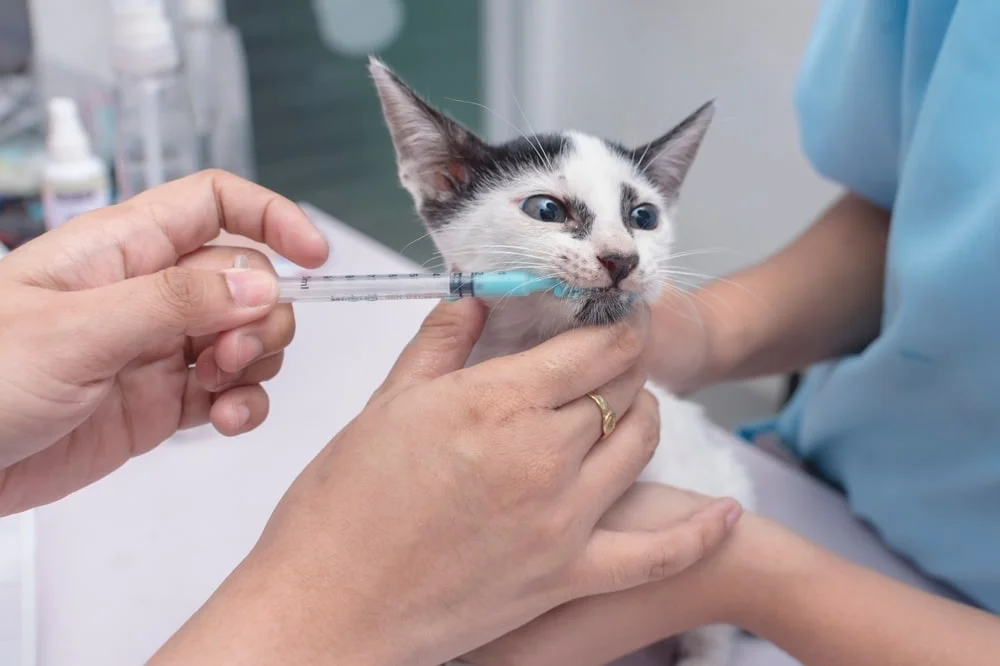
Worms can pose a higher risk to kittens, since the parasites can suck the nutrients needed for kittens to grow, which could stunt their development. This is why a deworming schedule is so important.1
Kittens should be dewormed once they’re weaned off of their mother’s milk — usually around the 4 – 6 weeks old mark — then every 4 weeks until they turn 6 months old. At this point, you’ll want to put them on a parasite prevention program.2 Ask your veterinarian about your options.
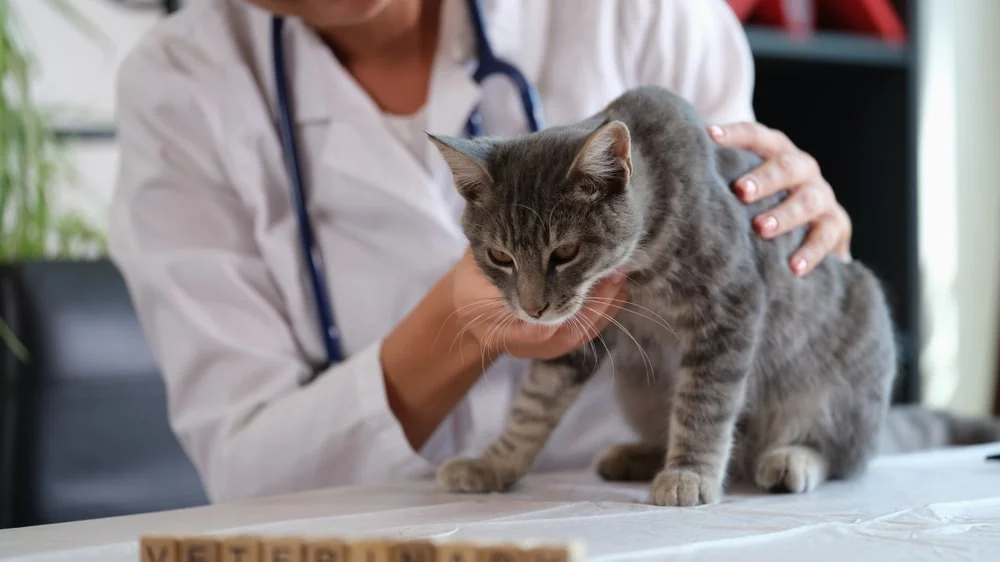
There are a few ways to tell if your cat has internal parasites. The most obvious is spotting worms in their poop or around their anus. However, if they show other symptoms, your veterinarian can run a few diagnostic tests. Fecal float tests can help identify most internal worms. However, the only way to diagnose heartworms is through blood work.1
Fecal exams and blood work during your cat’s regular checkups can help your vet identify worms early, protecting your cat from complications down the line.
If your cat does have worms, your vet will prescribe a dewormer — either an oral or topical medication or injection. They’ll generally recommend a series of doses to ensure all life stages of the parasite are killed. The type of medication and dosing depends on the specific worms being treated, how bad the infestation is, and your cat’s health.2,3
If the worm infestation is causing severe symptoms — such as digestive upset, dehydration, anemia, or intestinal blockages — your vet will typically treat those, too. Follow-up appointments are common to ensure all treatments are working.3
Common at-home deworming remedies, such as coconut oil and turmeric, aren’t always vet-approved. While there’s a wide variety of over-the-counter (OTC) deworming medicines, vets don’t recommend them either and advise against deworming your cat at home without getting a proper diagnosis.2,3
Instead, work with your vet for safe and effective deworming, and practice preventative measures at home to help prevent reinfection.3
Prevention is the most effective way to keep your cat free from parasites. Work with your vet to start your cat on regular parasite prevention medication that protects against fleas, ticks, heartworm, and intestinal worms.2,3
If you have an outdoor cat or multiple indoor cats sharing a litter box, you may want to consider regular deworming treatments. These can be done every 1 – 3 months, depending on your vet’s recommendation.2,3
Cleaning the litter box daily can minimize contact with potentially infected poop. Plus, routine checkups with fecal tests and blood work are an important part of keeping your cat healthy.3
One of the costs of owning a cat is treating health concerns — like worms. MetLife Pet Insurance can reimburse you up to 90% of internal parasite treatment costs and associated vet care if your cat gets infected.5
Plus, our optional Preventive Care plan can reimburse you up to your selected benefit limit for parasite prevention, deworming meds, and other routine care. This extra level of protection can make pet insurance worth it.
Our cat insurance helped Steve, a domestic long-haired kitty, with his intestinal parasite issues. The vet visit, diagnostics, and all of his treatment cost nearly $2,000, and MetLife Pet reimbursed Steve’s family over $1,500.6
Internal parasites can be scary, but MetLife Pet can help you with coverage for prevention and treatment. Give your kitty the best care you can by getting started with a free quote today.