Ingrown claws can be incredibly painful, and they could also cause an infection, lameness, or swelling in your cat’s paw.1
The cost of a cat’s ingrown nail removal depends on where your cat goes for treatment as well as the kind of treatment required. A regular vet visit may cost between $53 – $124 and an emergency vet visit could cost around $121. If sedation is required that could be another $94 – $147, and if your cat is treated for a puncture wound, that might cost around $133.2
Let’s jump into how to identify a cat's ingrown toenail, potential health risks, and how regular grooming can help prevent this condition.
Identifying Ingrown Claws in Cats
So what exactly does an ingrown nail look like in a cat? Typically, they’re not hard to spot. Look for nails that curve all the way around the toe and touch the toe pad underneath. When a cat’s nail grows too long and the tip embeds itself in the pad of their paw, it can cause this condition.1
Here are some other symptoms that may point to ingrown nails:1
- Bleeding from the paw pad
- Fluid or pus around the nail or paw
- Limping
- Lethargy
- Biting or licking their paw
Pain Relief Doesn’t Have To Cost a Lot
Health Risks of an Ingrown Cat Claw
An ingrown cat nail can be incredibly painful to your kitty. What’s more, this condition can pose a serious danger to their paws. Since cats walk over everything with their paws, they inadvertently collect dirt, bacteria, and fungus on them. If a nail punctures their paw pad, then these germs and dirt can get under the skin, causing sores or infections.1
If your cat’s paw has an infection, it may be swollen with a stinky discharge. Not only will your cat need to have the claw removed from the pad, but they’ll also need antibiotics to fight the infection.1
How a Vet Removes Ingrown Cat Claws
Cat ingrown nail treatment can be relatively straightforward for a vet, but it can be painful for a cat. Don’t worry, though. The vet may choose to sedate your cat so they don’t feel anything.1
Your vet will clip the actual nail and carefully remove the embedded part from your cat’s paw. Once they remove the embedded tip, they’ll assess the wound and clean it. A bandage may be used to keep the wound clean as it heals, and pain medication might be prescribed. If there’s a suspected infection, antibiotics may also be prescribed. A cone can help prevent your cat from licking their paw as it heals.1
Recovering From Ingrown Nail Removal
As with any injury, follow your vet’s instructions about giving your cat any antibiotics or painkillers as they recover.1 They may schedule a follow-up appointment with you, or just give you instructions to remove the bandage and clean the wound yourself.
Most cats recover in about 1 week unless the wound is deep, opens again, or becomes infected.1
Preventing Ingrown Claws in Cats
Prevention is key when it comes to cat ingrown claws. While declawing your cat may sound like an obvious solution, it may not be the best solution for your cat’s wellbeing. Instead, consider prioritizing regular grooming.
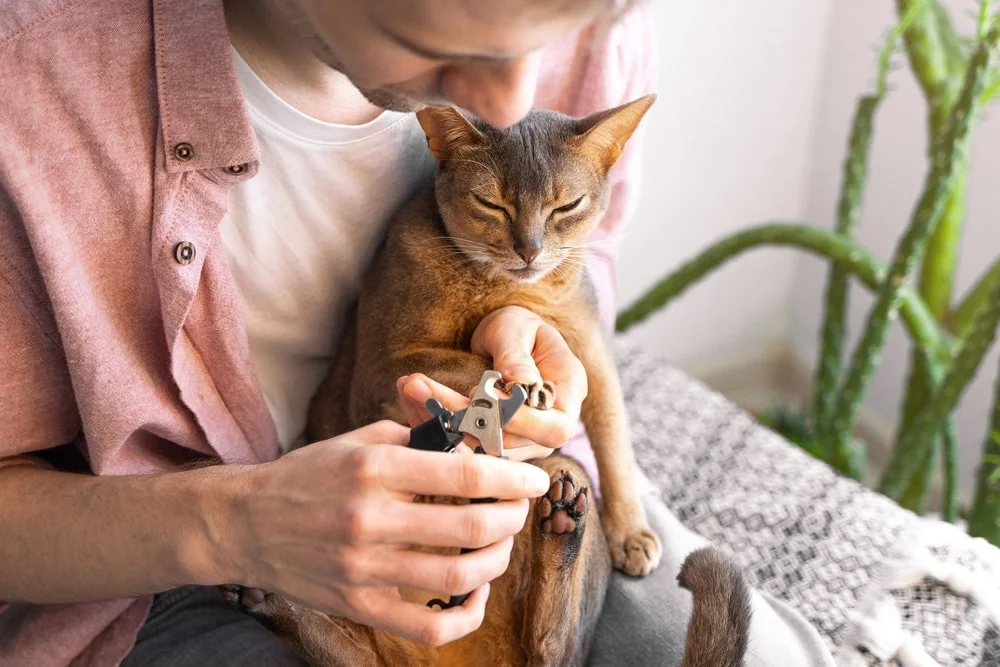
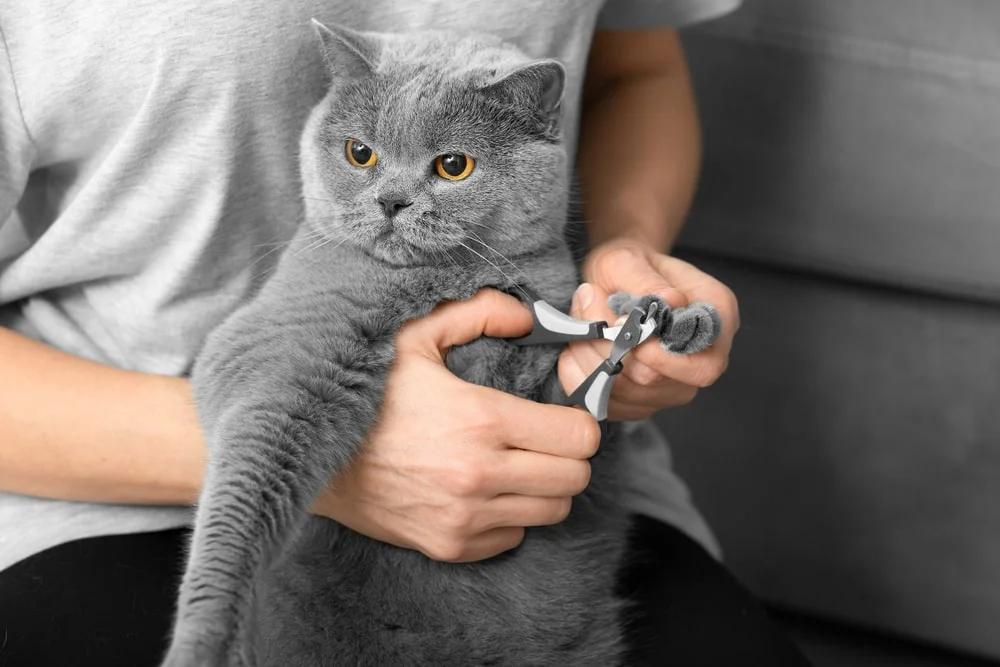
Keep your cat’s nails trimmed and the fur around their paws clean. If you’re not comfortable clipping their claws yourself, you can always take your cat to your vet or a groomer. Either way, routine claw clippings every 2 – 3 weeks can help prevent ingrown nails.1,3
You can also provide a scratching post or walk your cat on abrasive surfaces, like cement, to help keep their claws worn down.1
Other Cat Nail and Paw Conditions
Ingrown nails aren’t the only condition that can hurt your cat’s paws. Some other nail and paw conditions that could affect cats include:4
- Pemphigus (an autoimmune skin disease)
- Squamous cell carcinoma
- Melanoma
- Infections
- Paw pad burns
- Broken nails
Does Pet Insurance Cover Cat Ingrown Nail Removal?
To answer this question, let’s take a look at a real-life example. Kylie, the cat, had an energetic and curious personality, which turned lethargic when her paw started hurting. She had an ingrown nail that made her limp and meow in pain whenever she put weight on that paw. Kylie’s vet examined her paw, sedated her, clipped the nail, removed the embedded portion, and gave her pain medication for at home.
The vet visit, sedation, treatment, and pain medication cost more than $650. MetLife Pet covered over $600 for the family, so they could focus their energy on helping Kylie recover.5
MetLife Pet Insurance comes alongside you to help you cover the hassle and stress that vet bills bring, so you can provide your cat with the best medical care possible. A cat insurance policy can help you lessen your financial worry, potentially making pet insurance worth it for many pet families. Get started with a free quote today.

Dr. Hunter Finn has been paid by MetLife to discuss the importance of choosing pet insurance. He is an integrative veterinary expert first, and social media star second. America’s favorite veterinarian owns Pet Method in McKinney, Texas, where he cares for pets while prioritizing their emotional well-being. When he’s not at his clinic, he’s starring in viral videos on TikTok (2 million followers) and Instagram (500K followers) — where he’s been known to snuggle puppies and conquer the latest dance trends.
We Can Help Cover Vet Bills While You Focus on Your Cat’s Care
855-270-7387