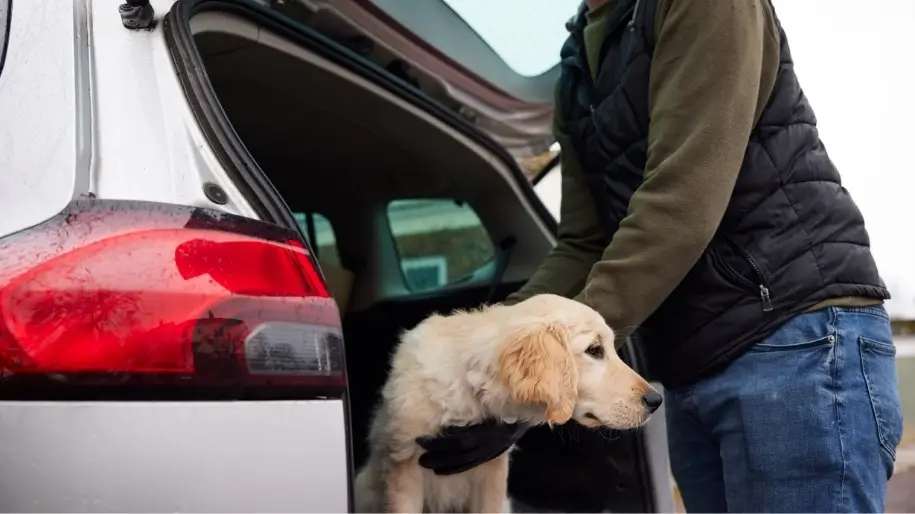
Unfortunately, even the most vigilant of pet parents aren’t immune to the realities of pet theft. If you suspect your pet has been stolen, act immediately. You may want to take the following actions as soon as possible:1,2
- Contact your local police and animal control officer to file an official report.
- Reach out to local animal shelters or humane societies to alert them of your potentially stolen pet.
- Post fliers around your neighborhood and where your pet was last seen with recent photos of them and your contact information.
- Ask people in your neighborhood if they’ve noticed unusual activity or seen your pet.
- Share recent pictures of your pet with your local television station and newspaper and ask them to please share the information.
- Use social media and community message boards to get the word out about your stolen pet. Search lost pet websites, online adoption listings, and sales ads to see if someone else has posted about your pet.
You could also alert your pet’s vet, microchip registration company, groomer, or daycare/boarding facility — the more awareness there is, the higher the chances are of bringing your furry family home.
While any cat or dog could be taken, certain dogs may be more at risk of being stolen, including:3
- Purebreds
- Designer breeds
- Toy breeds
Yorkshire terriers tend to be one of the most stolen breeds across the country.3
MetLife Pet Insurance offers coverage to help you after your pet has been stolen or lost. We can reimburse4 you up to $500 for lost or stolen pet advertisement fees and reward money, as well as an additional dollar amount — specified in your policy — if your pet isn’t recovered within 60 days.
Chickie, a dog from North Carolina, was outside in the front yard with her owner late one evening. Unfortunately, someone came up to the yard, grabbed Chickie, and drove away with her. After searching for a few days to no avail, Chickie’s owner offered a hefty reward to get her beloved dog back.
Thankfully, someone saw Chickie and notified her owner. Chickie was brought back home safely and MetLife Pet Insurance reimbursed her owner $500 for the pet theft reward that was offered.5
Trying to find a stolen or lost pet can be an emotional experience. Fortunately, there are several things you can do to help prevent your pet from being taken or help recover them in the event they are.
Get your pet microchipped and keep all information in the microchip registry up to date. Not only is this crucial to the hopeful return of a stolen or lost pet, but a current microchip also provides proof of ownership.
In addition to microchipping, it can be a good idea to keep pet records easily accessible to show officials your connection to your pet.
It may be a good idea to have your pet’s name in small print on their collar identification (ID) tag. This can make it both harder to read from a distance and for people to call out your pet’s name to lure them over.
While not always possible, try not to leave your pet unattended outside of a shop, restaurant, or other public location even if you intend to run in for a minute. A minute is all it takes for a thief to grab your pet. If places aren’t pet friendly, bring someone who can wait with your pet or ask the staff if they're able to watch them while you run inside.
Do your best not to leave a pet alone in the car. Even if you’re stopping for a quick errand on a mild day and lock the vehicle, the short time you leave your pet unattended could be enough time for a determined thief to find a way in and snatch your animal companion.
It only takes a moment to reach over or unlatch a fence. It can be in your pet’s best interest to put locks on all access points to the yard or outdoor areas — even if you’re watching your pet whenever they’re outside. If your yard isn’t fenced in, keep your dog or cat leashed.
Keep your pet indoors when unsupervised or when you’re away from home. It’s also not a good idea to let your pet roam free in the neighborhood, as they can be more easily picked up by strangers.
Pets don’t have to be unattended to be stolen. It’s possible someone could take your pet while you’re walking with them. Stay alert to your surroundings and have a good grip on your pet’s leash. Walking without a leash on your pet could make pet theft even easier. Talk with your neighbors and report any suspicious activity to the police.
Varying the times and routes of your walks could lessen the chances of a potential pet thief learning your schedule. Additionally, it can spice up the walking routine for you and your pet!
Spaying and neutering your pets not only helps with the severe pet overpopulation problem, but it can also help keep your pets close to home. Pets who have been spayed or neutered may be less likely to wander, and they aren’t able to be used for breeding purposes.1
The following are some of the most common reasons pets are stolen:1
- Pets — both purebreds and mixed breeds — can be sold for a profit to puppy mills, breeders, pet stores, or new owners.
- Some pets are sold to research laboratories.
- Stolen dogs may be used as “fight dogs” or “bait dogs” in fighting rings.
- Some thieves steal pets and wait for a monetary reward to be offered by the owner so they can return the pet and collect the money.
Stealing a pet is considered a crime, and some states have specific animal theft laws. For the states that don’t, animal theft is typically classified under general state theft and larceny laws.2
National Pet Theft Awareness Day is observed every year on February 14. It was started in 1988 by Last Chance for Animals (LCA), a non-profit organization dedicated to stopping the exploitation of animals. The goal of this day is to educate the public on ways to protect their pets from being stolen, what to watch for, and what to do if their pet is taken.1,3
In addition to providing benefits for pet theft advertising and reward costs, a MetLife Pet plan could be helpful if your pet is sick or hurt after they’ve returned home — with coverage for accident- and illness-related expenses like diagnostics, medications, vet exam fees, and hospitalization.
And if you’re looking to take protective measures for your pet, our optional Preventive Care plan can help you cover spaying and neutering costs, as well as those for microchipping, up to your selected benefit limits.
Enroll your pet today and take advantage of MetLife Pet’s 0-day waiting period on accidents and Preventive Care benefits. See your customization options when you get a free quote now.